5 interior design trends that will define 2026
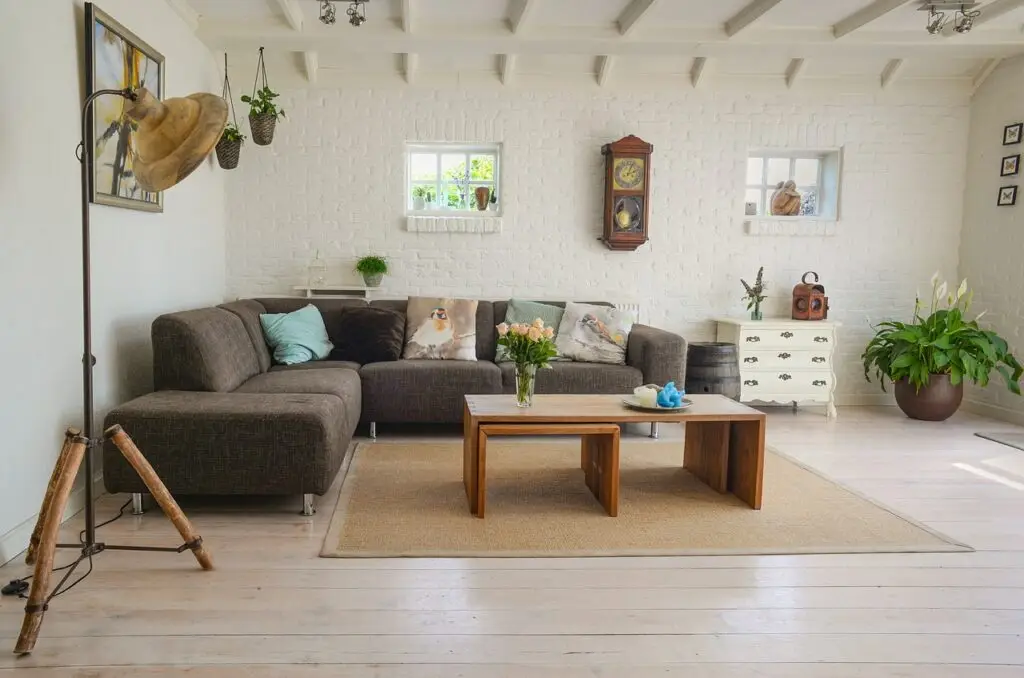
Interior design in 2026 is moving beyond aesthetics and focusing on how spaces make us feel. Homes are no longer just places to live—they are environments that support well-being, creativity, and comfort. This shift is bringing forward a mix of minimalism, sustainability, and bold personal expression.
One of the most noticeable trends is the use of earthy and natural tones. Shades like terracotta, olive green, warm beige, and muted browns are becoming dominant. These colors create a calming environment and help connect indoor spaces with nature. Along with this, materials such as wood, stone, linen, and clay are being widely used to enhance texture and authenticity.
Another major trend is multi-functional spaces. With more people working and studying from home, rooms are being designed to serve multiple purposes. A living room might double as a workspace, or a bedroom might include a reading corner. Furniture is becoming smarter—foldable desks, hidden storage, and modular seating are now essential.
Lighting is also evolving into a key design element. Instead of just serving a functional purpose, lighting is now used to create mood and highlight features. Statement lights, warm ambient lighting, and layered lighting designs are becoming popular choices.
Sustainability is no longer optional it is a priority. Designers are focusing on eco-friendly materials, recycled décor, and energy-efficient solutions. People are becoming more conscious of what they bring into their homes, choosing quality over quantity.
Ultimately, the biggest trend of 2026 is personalization. Homes are reflecting individual personalities more than ever. Whether it’s through art, color choices, or unique furniture pieces, design is becoming deeply personal and meaningful.
How to Make a Small Space Feel Bigger
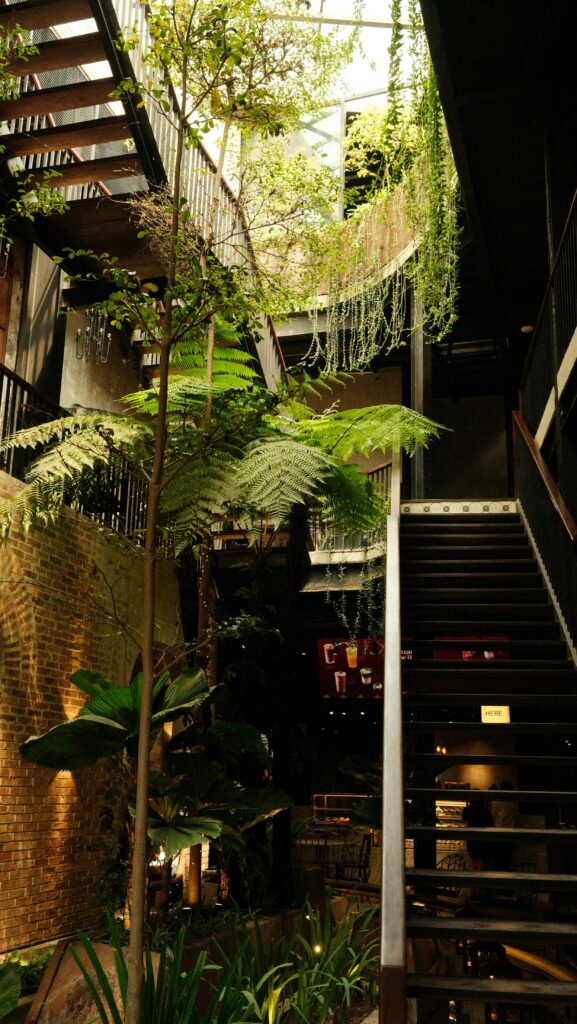
Living in a small space doesn’t mean compromising on style or comfort. With thoughtful design choices, even the most compact areas can feel open, airy, and inviting. The key lies in understanding how to use light, colour, and layout effectively.
One of the simplest yet most powerful techniques is using light colours. Whites, soft greys, and pastel shades reflect light and make a room feel more spacious. Dark colours, while beautiful, tend to absorb light and can make a space feel smaller if not used carefully.
Mirrors are another essential tool in small-space design. Placing a mirror opposite a window can reflect natural light and create the illusion of depth. This trick instantly makes a room feel larger than it actually is.
Furniture selection plays a crucial role. Choosing pieces with exposed legs creates a sense of openness because you can see more of the floor. Multi-functional furniture like sofa beds, storage ottomans, or foldable tables helps maximize usability without cluttering the space.
Decluttering is perhaps the most important step. A clean, organized space always feels bigger. Avoid over decorating and keep only items that add value or meaning. Smart storage solutions, such as vertical shelves and hidden compartments, can help maintain a tidy environment.
Lighting should not be overlooked. Natural light is ideal, but if that’s limited, use layered lighting with a mix of ceiling lights, floor lamps, and wall lights to brighten the space evenly.
In the end, designing a small space is about creating balance ensuring that every element serves a purpose while maintaining a sense of openness and comfort.
Creating a Cozy Living Room That Truly Feels Like Home
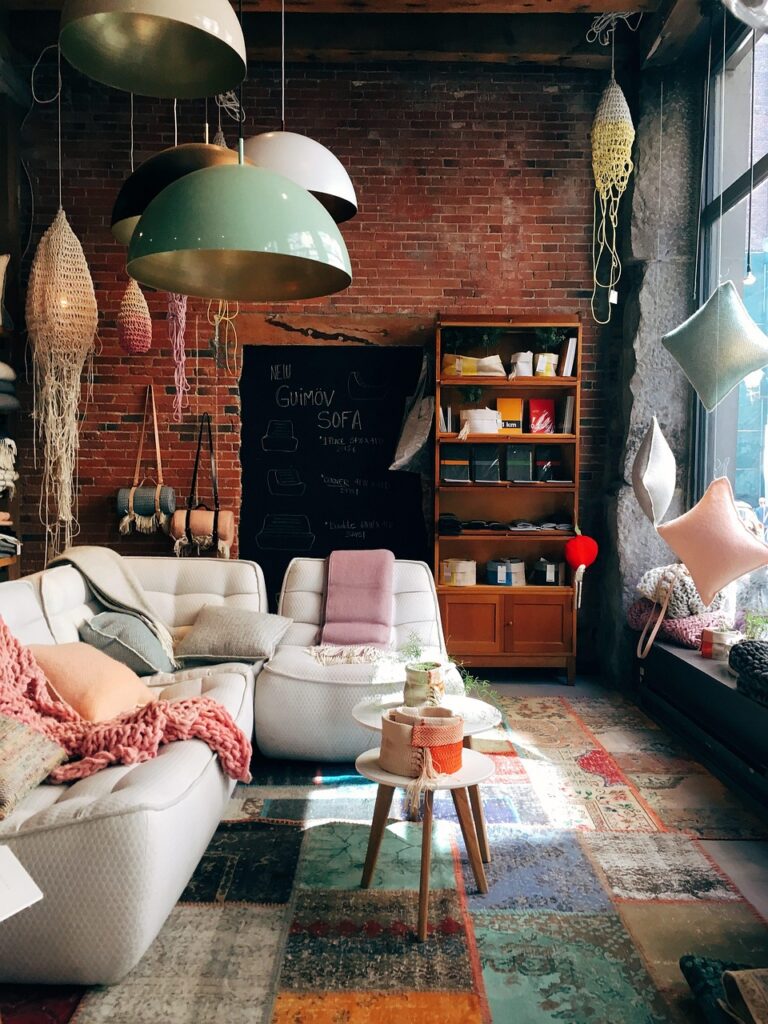
A living room is often the heart of a home a place where people relax, connect, and spend quality time. Creating a cozy living room is not just about decoration; it’s about building an atmosphere that feels warm, inviting, and personal.
The foundation of a cozy space starts with comfortable seating. Sofas and chairs should not only look good but also feel good. Soft cushions, plush fabrics, and ergonomic design can make a huge difference in how a space is experienced.
Textiles play a major role in adding warmth. Layering different textures such as throw blankets, rugs, and cushions creates depth and comfort. Materials like wool, cotton, and velvet are excellent choices for a cozy aesthetic.
Lighting is another critical factor. Harsh, bright lighting can make a space feel cold, while warm, soft lighting creates a relaxing environment. Table lamps, floor lamps, and even candles can help achieve this effect.
Color also influences mood. Warm tones like beige, soft brown, muted orange, and cream can make a space feel more inviting. These colors work well when combined with natural materials and subtle patterns.
Personal touches are what truly make a living room feel like home. Books, artwork, family photos, and indoor plants add character and tell a story about the people living there. These elements make the space unique and emotionally connected.
Finally, balance is key. A cozy living room should feel full but not cluttered. Every item should have a purpose, contributing to both functionality and aesthetics.
In essence, a cozy living room is about comfort, warmth, and personality a space where you genuinely feel at ease.